
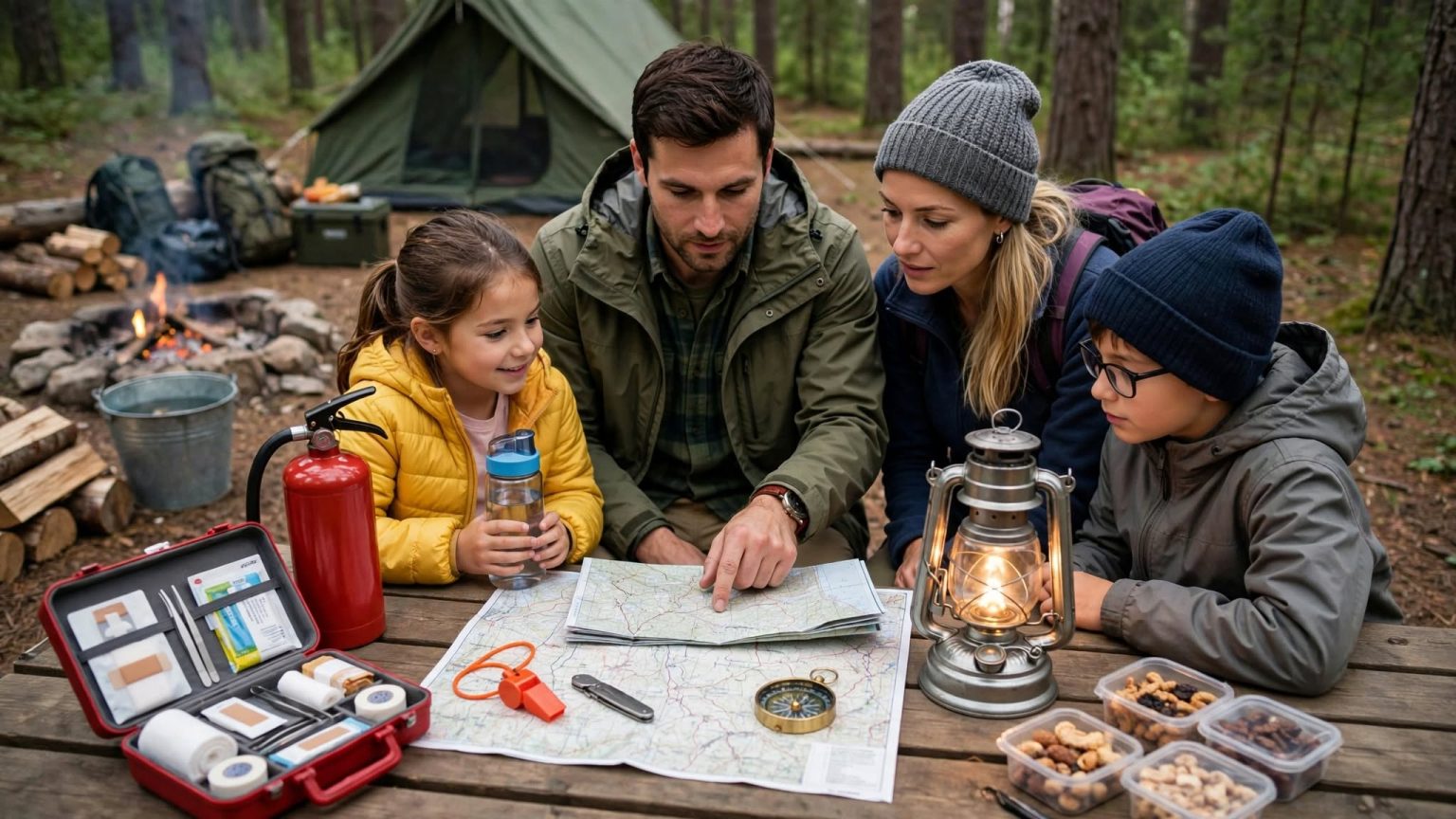
Camping offers a chance to spend time outdoors, explore unfamiliar landscapes, and enjoy a slower pace away from everyday routines. However, staying outside also means dealing with changing weather, wildlife, fire, uneven terrain, and limited access to services. Good preparation can make these challenges much easier to manage.
Following practical camping safety tips does not mean removing every element of adventure. It means understanding the environment, carrying appropriate equipment, and knowing how to respond when conditions change. Whether you are staying at an established campground or heading into a more remote area, a few sensible precautions can help create a safer and more comfortable trip.
Safety planning should begin before you pack the vehicle or backpack. Learn about the campsite, surrounding terrain, expected weather, available facilities, and any local regulations.
An established campground may provide toilets, drinking water, marked pitches, and clearly defined fire areas. Remote camping can require much more self-sufficiency. You may need to carry sufficient water, navigate without reliable mobile coverage, and manage waste yourself.
Check whether the area has specific rules concerning campfires, food storage, pets, parking, or access. Seasonal conditions can also affect trails and campsites, so information from an earlier trip may no longer reflect current conditions.
If you are traveling into a remote area, leave your basic itinerary with someone you trust. Include where you intend to camp, your planned route, who is traveling with you, and approximately when you expect to return.
This simple precaution becomes particularly useful if unexpected circumstances prevent you from contacting anyone.
Camping equipment should reflect the conditions you are likely to encounter. A comfortable sleeping bag and tent matter, but safety-related items deserve equal attention.
Useful camping essentials can include:
A suitable first-aid kit
Flashlight or headlamp with backup power
Weather-appropriate clothing
Navigation tools
Adequate food and drinking water
Sun and insect protection
Basic repair equipment
Emergency communication equipment where appropriate
Avoid relying entirely on your phone. Batteries can run down, devices can become damaged, and mobile reception may be unavailable in rural or mountainous areas.
Where you place your tent can influence both safety and comfort. Look for stable, reasonably level ground rather than areas that could collect water during rainfall.
Check above the campsite as well as around it. Avoid pitching directly beneath damaged branches or unstable trees. Consider how nearby slopes, waterways, exposed ground, and changing weather could affect the site.
Keep walking routes around tents and cooking areas reasonably clear. Guy lines, equipment, chairs, and bags can become tripping hazards after dark.
A tent should be properly pitched rather than simply placed on the ground. Use the appropriate stakes and guy lines, and make sure equipment is secured before leaving the campsite.
Weather can change quickly outdoors. A calm afternoon does not necessarily mean conditions will remain calm overnight.
Fire deserves particular attention when discussing camping safety tips. Follow local fire restrictions and use established fire areas when provided. If fires are prohibited because of environmental conditions, do not attempt to create one elsewhere.
Keep flames controlled and away from tents, dry vegetation, and equipment that could catch fire. Never leave a campfire unattended.
Cooking equipment also requires care. Portable stoves and similar appliances should be used according to their instructions and in appropriately ventilated outdoor spaces. Do not use outdoor cooking or heating equipment inside a closed tent.
Before leaving your campsite or going to sleep, make sure any permitted fire has been fully extinguished.
Food safety outdoors involves more than preventing meals from spoiling. Food scraps, cooking smells, rubbish, and unsecured supplies can attract animals.
Keep food properly contained and follow any campsite-specific storage requirements. Avoid leaving dirty cookware or food waste around your sleeping area overnight.
Perishable foods should be stored under suitable conditions, while drinking water should come from a safe source. Clear-looking natural water should not automatically be assumed safe to drink.
Responsible food and waste management also helps keep the campsite cleaner for other travelers and reduces unnecessary interaction with wildlife.
Seeing wildlife can be one of the memorable parts of an outdoor trip, but wild animals should be observed rather than approached.
Do not feed animals, attempt to touch them, or move closer for photographs. Learn about species commonly found in your destination and follow local guidance for storing food and responding to encounters.
Keeping the campsite tidy can also reduce the likelihood of attracting animals looking for an easy food source.
Outdoor conditions can change faster than expected, especially around mountains, coastlines, and exposed areas. Check the forecast before departure and continue monitoring conditions during the trip when possible.
Bring clothing that can be layered and adjusted as temperatures change. Waterproof protection may be useful even when heavy rain is not expected.
Heat also requires planning. Shade, hydration, sun protection, and sensible activity levels become important during warm conditions. In colder environments, staying dry and having appropriate insulation should be priorities.
A short walk from camp can become difficult if trails are poorly marked or visibility changes. Before exploring, understand your route and how you will return.
Carry an appropriate map or navigation method, especially outside established campgrounds. If using digital maps, consider saving necessary information for offline access.
Avoid continuing along unfamiliar terrain simply because you have already traveled a long distance. Turning around can be the safer decision when weather, daylight, navigation, or trail conditions become uncertain.
Camping safety depends largely on preparation, awareness, and sensible decisions once you arrive outdoors. Researching the destination, packing suitable equipment, choosing a secure campsite, managing fire and food carefully, respecting wildlife, and preparing for changing weather all contribute to a safer experience.
Conditions will vary from one destination to another, so no packing list or safety routine works everywhere. The most useful approach is to understand the environment you are entering and adjust your plans accordingly. With thoughtful preparation and attention to changing conditions, outdoor travelers can spend more time enjoying their surroundings while avoiding many preventable problems.